
Choosing the Right Physical Activity for Your Goals, Age, and Health

Physical activity is one of the most effective ways to improve overall health, energy, and quality of life. However, not all exercise is appropriate for every individual. The most effective and sustainable approach to fitness is one that aligns with your personal goals, your stage of life, and your current health status.
This guide explains how to choose the right type and level of physical activity so you can train safely, progress effectively, and maintain long-term consistency.
Why One-Size-Fits-All Exercise Doesn’t Work
Many fitness plans fail because they are not tailored to the individual. Factors such as age, injury history, lifestyle, and goals all influence what type of activity is most appropriate.
An effective program should:
Match your current fitness level
Support your specific goals
Be sustainable over time
Minimise injury risk
The goal is not to do the “hardest” exercise, but the right exercise for you.
Step 1: Define Your Goal
Your primary goal determines the type of physical activity you should prioritise.
1. General Health and Longevity
Focus on a balanced approach:
Walking or light cardio
Strength training 2–3 times per week
Mobility and flexibility work
This supports heart health, muscle maintenance, and overall function.
2. Fat Loss or Weight Management
A combination of:
Moderate to high-intensity cardio
Strength training to maintain muscle
Consistent daily movement
Consistency and energy balance are key.
3. Muscle Growth and Strength
Prioritise:
Resistance training (weights, bands, bodyweight)
Progressive overload (gradually increasing difficulty)
Adequate recovery and nutrition
Cardio can be included but should not dominate the program.
4. Performance or Sport-Specific Goals
Training becomes more specialised:
Speed, agility, and power work
Sport-specific drills
Strength and conditioning
Structured recovery
Guidance is often beneficial for optimal results.
5. Rehabilitation or Injury Recovery
Focus on:
Controlled, low-impact exercises
Gradual progression
Movement quality over intensity
Professional input is often recommended to ensure safety.
Step 2: Consider Your Age
Age influences recovery capacity, joint health, and training priorities—but it does not limit your ability to stay active.
Younger Individuals (Teens to 30s)
Can generally tolerate higher intensity
Benefit from building strength, coordination, and fitness
Should focus on technique to prevent long-term issues
Mid-Life (30s to 50s)
Recovery may require more attention
Strength training becomes increasingly important
Injury prevention and mobility should be prioritised
Older Adults (60+)
Focus on maintaining strength, balance, and independence
Low-impact cardio such as walking or swimming is beneficial
Resistance training remains essential for muscle and bone health
Intensity can still be included but should be appropriate and well-managed.
Step 3: Factor in Your Health Status
Your current health plays a critical role in determining safe and effective activity levels.
If you are generally healthy:
A wide range of activities is appropriate
Variety helps maintain motivation and reduce overuse injuries
If you have joint pain or mobility limitations:
Prioritise low-impact options (e.g. cycling, swimming)
Include strength work to support joints
If you have chronic conditions (e.g. cardiovascular or metabolic):
Focus on moderate, consistent activity
Avoid sudden increases in intensity
If you are returning from injury:
Progress gradually
Avoid high-impact or high-load exercises too early
Listening to your body is essential. Pain, excessive fatigue, or discomfort are signals to adjust.
Step 4: Choose the Right Types of Exercise
A well-rounded routine typically includes:
1. Cardiovascular Exercise
Supports heart and lung health
Examples: walking, cycling, swimming, running

2. Strength Training
Maintains muscle, supports joints, improves metabolism
Examples: weights, resistance bands, bodyweight exercises

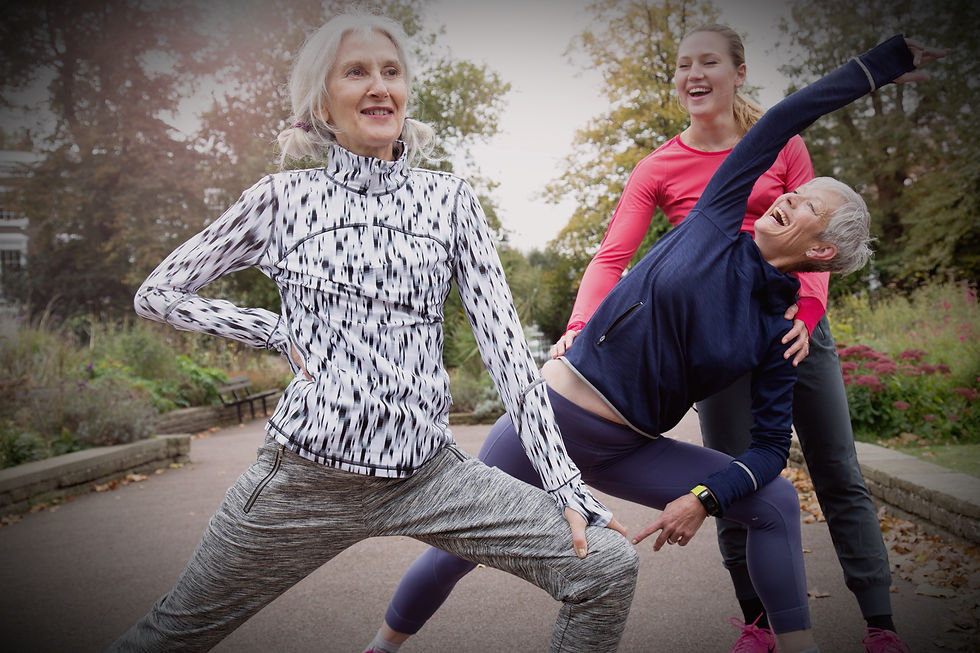
3. Mobility and Flexibility
Improves movement quality and reduces stiffness
Examples: stretching, yoga, controlled mobility drills
4. Balance and Coordination
Important for stability and injury prevention
Examples: single-leg exercises, controlled movements

Step 5: Focus on Consistency and Progression
The most effective program is one you can maintain long-term.
Start at a manageable level
Progress gradually over time
Avoid sudden increases in intensity or volume
Build routines that fit your lifestyle
Small, consistent improvements are more effective than short bursts of intense effort.
Common Mistakes to Avoid
Choosing exercises that are too advanced
Ignoring recovery and rest
Training without a clear goal
Comparing your routine to others
Pushing through pain rather than adjusting
Sustainable progress comes from balance, not extremes.
Summary
The right physical activity depends on your goals, age, and overall health. A personalised approach that includes cardiovascular exercise, strength training, mobility, and balance work provides the best foundation for long-term success. By starting at an appropriate level and progressing consistently, you can improve fitness, reduce injury risk, and maintain a healthy, active lifestyle at any stage of life.
Disclaimer: This information is general in nature and is not a substitute for professional medical advice. Please consult your healthcare provider before making health decisions.


Comments